
School safety is built on clarity, confidence, and the ability to respond effectively under pressure. Martyn’s Law strengthens this commitment by ensuring that schools are more prepared for any threat or scenario may occur.
When reviewing your emergency preparedness plan, there are three critical questions every school leader and nominated “Responsible Person” for Martyn’s Law must be able to answer without hesitation. These questions form the backbone of a resilient, whole-school approach to emergencies.
1. How Would You Alert the Entire Site That There Is a Threat?
Your first priority in any emergency is communication. Staff, students, visitors, and any other personnel on the school site all need to know what is happening, and they need to know quickly.
A strong emergency plan ensures:
- You can notify the entire site instantly
- The message is clear and unambiguous
- Staff understand exactly what the alert means
- Students receive instructions (where appropriate e.g. from teacher)
- No part of the school, indoors or outdoors, is left out of the loop
Whether the threat is outside your perimeter, on school grounds, or inside the building, rapid communication is the catalyst for every action that follows.
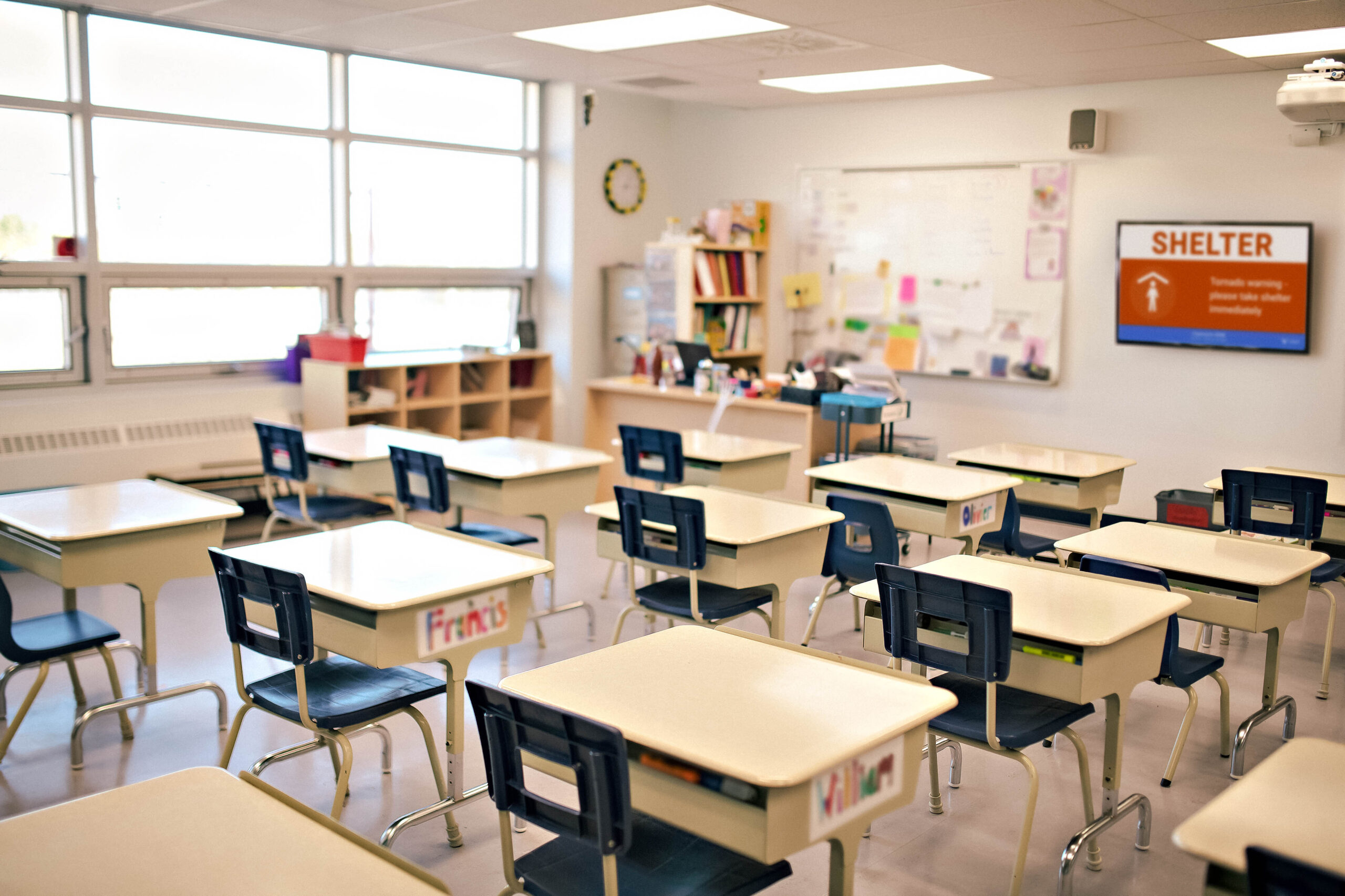
This is where tools like Vivi’s emergency alerts and Device Alerts can provide reliable, site-wide clarity when seconds matter.
2. How Would You Secure Your Setting in Each Scenario?
Not all threats require the same response. Different actions will need to be taken based on the type of threat, and you need to be able to communicate these different threats easily so staff and students know how to act accordingly.
Schools should be confident in how they would secure the site in three distinct categories of threat:
Level 1: Threat Beyond the Perimeter
Example: a police incident in the area, such as a prisoner on the loose
Your actions should focus on:
- Communicating the threat to staff promptly
- Bringing everyone inside safely
- Securing the perimeter so the threat cannot enter
- Ensuring building entrances are locked and monitored
This is a low-disruption response, but one that requires absolute clarity and coordination.
Level 2: Threat on School Grounds
Here, the threat is closer, and your response needs to escalate accordingly.
Key steps include:
- Immediate communication
- Invacuation: bring everyone inside quickly
- Securing external access points
- Preparing spaces for a potential full lockdown
This stage prioritises rapid protection while maintaining calm and order.
Level 3: Threat Inside the School Building
This is the most serious scenario.
Your response focuses on:
- Communicating the threat immediately
- Securing individual rooms or safe spaces
- Keeping staff and students out of sight and protected
- Remaining in place until police or emergency services take control
Here, precision and calm leadership are essential. Staff must know exactly what “secure” looks like in their context, without needing to think or interpret instructions in the moment.
3. How Would You Communicate With Your Staff During a Lockdown?
Lockdowns demand clear, continuous communication, not just a single alert.
Ask yourself:
- How do staff receive updates once a lockdown begins?
- Do they know when to act, when to stay in place, and when it is safe to move?
- What are your backup communication methods if your primary system fails?
- How do you ensure consistency across classrooms, offices, playgrounds, and shared spaces?
Your communication plan should reassure, not confuse. It should empower staff to make safe, confident decisions with minimal delay.
Technology plays a huge role here, allowing leadership teams to share accurate, real-time information to every part of the site.
Conclusion
Your school’s emergency preparedness is only as strong as your ability to answer these three questions with confidence and clarity. Martyn’s Law reinforces what school leaders already know: safety isn’t about fear, it’s about readiness.
By understanding how you communicate, how you secure your site, and how you support staff across different scenarios, you create a safer, more resilient school environment for everyone. Learn how Vivi can help you improve site-wide communication during any emergency scenario.