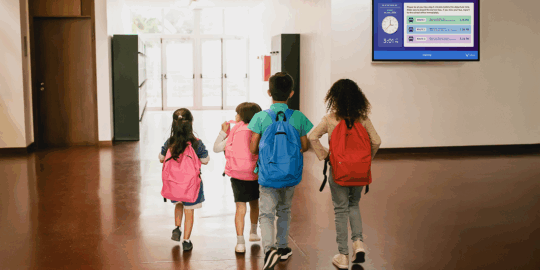

From the moment children start in Reception, they’re taught the fundamentals of school safety: leave belongings behind, walk calmly, and head straight to the nearest exit. Fire drills have become second nature in schools, routine, predictable and highly practised.
Martyn’s Law requires schools to go further. Schools are asked to strengthen their readiness for a wider range of situations, ensuring that leaders, staff, and students are equipped to respond decisively and appropriately, whatever the circumstances. For those responsible for implementing Martyn’s Law, the message is clear: confidence comes from preparation.
1. Plan Beyond the Familiar. Prepare for the Unexpected.
Traditional fire drill procedures are well understood. But not every emergency will look like a fire.
Lisa Broad, a counter-terrorism specialist, says, “It’s important to review your emergency plans through a new lens when it comes to safety. If you look at your plans from a terrorism and serious violence perspective, this will help you understand where your vulnerabilities lie outside your safeguarding, health & safety procedures.”
School leaders must be confident that their team can respond effectively to any situation, including those that fall outside the everyday. This begins with understanding the full spectrum of potential risks and acknowledging that, while some are unlikely, preparedness is always essential e.g. a suspicious item on the premises, or bomb threat.
Reflect on:
- What scenarios could require evacuation?
- Which situations might call for the opposite, remaining inside or holding in place?
- How quickly can staff shift from routine responses to context-driven decisions?
Strong leadership recognises that anticipating the unexpected is a core part of keeping communities safe.
2. Recognise When Standard Procedures No Longer Apply
There will be times when the familiar “exit and assemble” model is not the safest option.
Examples include:
- A suspicious item near the main entrance
- A fire alarm triggered after concerning behaviour
- A threat positioned close to the usual assembly point
In these situations, following standard procedures without context is unsafe. Schools must have clear, alternative response plans.
This means:
- Defined alternative routes
- Safe internal locations
- Protocols that enable controlled movement or temporary containment
Preparedness is measured by your ability to act with confidence when the usual approach isn’t appropriate.
3. Use Simple, Scenario-Based Protocols That Staff Can Rely On
Clarity beats complexity. Most schools benefit from using a small set of consistent, easy-to-understand responses.
Typically, these include:
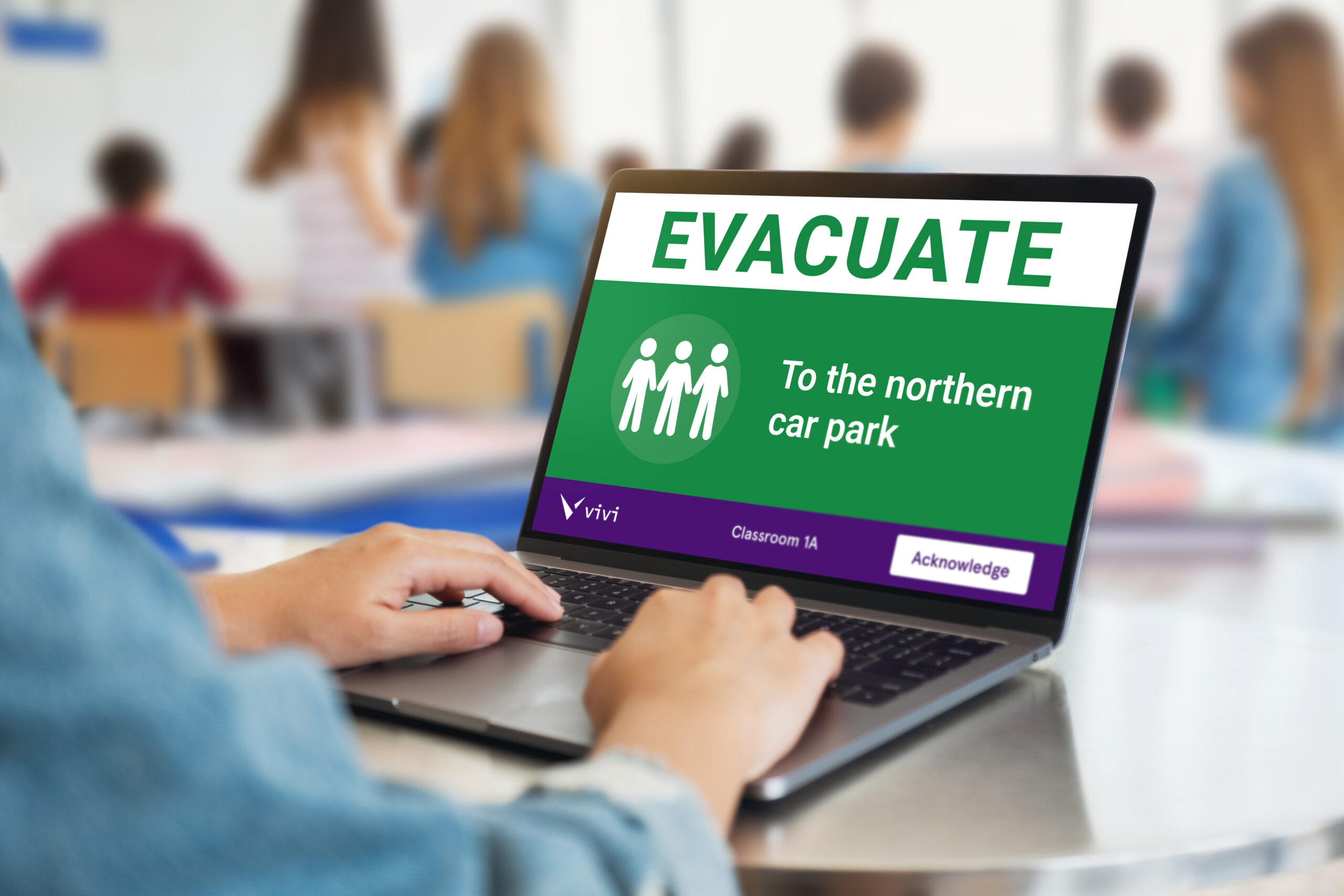
- Evacuate – leave the building quickly and safely.
- Invacuate – move to a safer place inside the school.
- Secure / Hold in Place – stay where you are until instructed otherwise.
These protocols should be unambiguous, well-practised, and immediately recognisable to every member of staff. Each one must clearly outline:
- Movement routes
- Key roles and responsibilities
- How communication will be handled
- Adjustments for students with SEND or additional vulnerabilities
4. Reassess Your Assembly Points With a Safety-First Mindset
Traditional playground assembly points are familiar, but not always suitable.
School leaders must confidently evaluate whether each assembly location genuinely supports safety in a range of contexts. This includes assessing:
- Visibility – whether the location places groups in view unnecessarily
- Proximity – whether it is too close to entry points, roads, or public areas
- Alternatives – whether secondary or dynamic options are identified and understood
Martyn’s Law reinforces the importance of evaluating the context of an emergency. Sometimes the safest place is inside, not outside. Your staff should know when that judgement applies.
5. Lead With Clear, Consistent and Timely Communication
Even the strongest procedures fail without clear communication. Schools must ensure every staff member, permanent, supply, new starters, and lunchtime teams understand exactly what to do and why, because emergencies can arise at any time during the school day. This requires a structured approach to briefing, reviewing, and practising.
Consider:
- How are procedural updates shared schoolwide?
- How quickly can you communicate during a developing incident?
- How do you ensure understanding, not just acknowledgement?
Site-wide communication tools like Vivi support rapid, reliable communication, ensuring staff receive the right information at the right time. Security leads can trigger a visual emergency alert to all displays schoolwide. These provide context and ensure no message is missed unlike sound which may be unclear or missed.
Conclusion
Preparing for Martyn’s Law is not about creating fear or complexity. It’s about strengthening the systems you already have, giving your team the confidence to act decisively, and ensuring your students remain safe no matter the circumstances. It’s important that all staff members run drills to prepare for a variety of scenarios that could occur. It’s all about lowering the risks and boosting preparedness. Learn more about how Vivi can support emergency preparedness here.